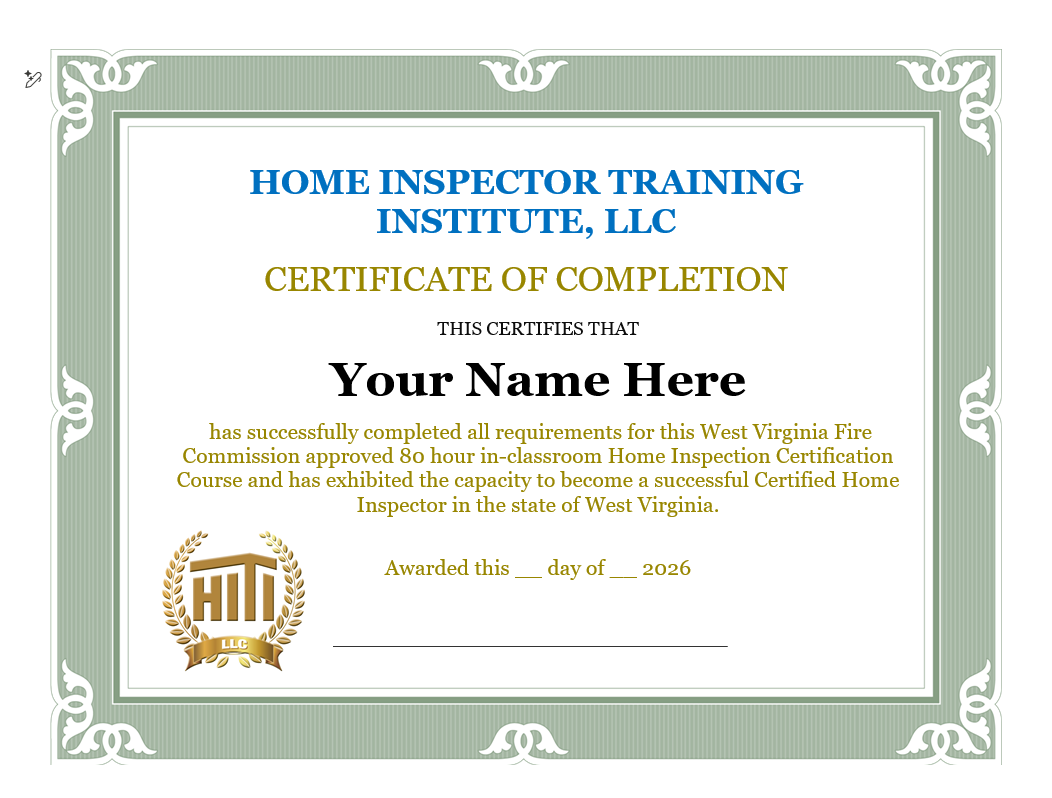
Earning a home inspector certification is one of the most important steps for anyone aspiring to build a professional career in home inspections. Certification ensures you have the knowledge, skills, and credibility to perform thorough inspections, provide accurate reports, and gain the trust of clients, real estate professionals, and insurance companies.
Whether you are just starting or looking to advance your inspection career, understanding the certification process, available training options, and supplemental credentials can help you succeed in the competitive home inspection industry.
Why Home Inspector Certification Matters?
Certification establishes a professional standard for home inspectors. It demonstrates that you:
- Understand building systems, structures, and safety codes
- Can identify potential hazards or maintenance issues
- Deliver reliable, actionable inspection reports
- Comply with state regulations and industry best practices
Certified inspectors are often preferred by homeowners, buyers, and real estate agents because their reports are trusted and recognized for quality and accuracy. In addition to this many states require some level of certification for home inspectors to operate within that state.
Virtual Home Inspector Training: Flexible Learning for Modern Inspectors
For aspiring inspectors, virtual home inspector training offers the flexibility to learn in a more comfortable and familiar environment. These programs often include:
- No need to travel to a training location; you can train from the comfort of your own home
- Virtual tools and simulation exercises for practical experience
- Instructor support through live sessions, Q&A forums, or email
- Self-paced learning that fits around personal and professional commitments
Virtual training allows students to gain a thorough understanding of home inspection techniques without needing to attend a physical classroom, making it an ideal solution for busy learners or those in remote locations.
Insurance Certifications: Expanding Expertise and Credibility
Many certified home inspectors enhance their qualifications by pursuing insurance certifications. These credentials provide knowledge about:
- Policy requirements and coverage standards
- Risk assessment techniques
- Liability and legal considerations in property inspections
Insurance-certified inspectors are highly valued by clients and insurance companies, as they can assess potential risks accurately and provide insights that go beyond basic property evaluations.
Building Knowledge: The Foundation of Effective Home Inspections
A strong foundation in building knowledge is essential for any professional home inspector. This includes understanding:
- Structural systems: foundations, walls, beams, and roofs
- Materials: wood, concrete, steel, and insulation
- Electrical systems: panels, wiring, outlets, and safety features
- Plumbing: water supply, drainage, and pipe conditions
- HVAC: heating, cooling, and ventilation systems
The more comprehensive your knowledge of building systems, the better equipped you are to identify potential issues and provide actionable recommendations to clients.
Specialized Skills for Advanced Inspectors
Beyond basic certification, successful inspectors often develop specialized skills such as:
- Mold and moisture inspections: Detect hidden moisture problems that can cause structural damage or health risks
- Commercial Property inspections: This can open up a greater range of business opportunity for inspectors
- Energy efficiency audits: Evaluate insulation, HVAC performance, and energy usage to recommend cost-saving improvements
- Commercial property inspections: Assess larger properties for compliance, safety, and operational efficiency
Developing these skills can increase your marketability and allow you to offer a broader range of services.
Tools and Technology Every Home Inspector Should Master
Certified inspectors rely on more than just knowledge; they also need the right tools and technology to perform thorough inspections. Key tools include:
- Multi-meters and voltage testers for electrical system checks
- Thermal imaging cameras to detect hidden moisture or insulation gaps
- Moisture meters for mold and water damage detection
- Ladders, flashlights, and personal protective equipment for safe property access
- Modern inspection software and mobile apps allow inspectors to document findings efficiently, generate reports on-site, and share them instantly with clients.
Mastering both tools and technology increases efficiency, accuracy, and client satisfaction.
Building a Client Base as a Certified Inspector
Certification is just the first step; establishing a thriving inspection business requires building a reliable client base. Effective strategies include:
- Partnering with real estate agents and brokers for referrals
- Maintaining a professional website and online presence
- Offering bundled services like mold inspection and energy audits
- Gathering reviews and testimonials from satisfied clients to build trust
By actively networking and marketing their services, certified inspectors can create a sustainable pipeline of clients while expanding their local reputation.
Continuing Education and Professional Development
The home inspection industry evolves constantly with new building codes, materials, and technologies. Certified inspectors maintain their edge by pursuing continuing education:
- Attending workshops and webinars on new inspection standards
- Completing refresher courses to stay compliant with state regulations
- Learning about green building practices, energy efficiency, and modern construction methods
Ongoing professional development ensures that inspectors remain knowledgeable, credible, and competitive, which increases career longevity and growth potential.
Career Opportunities After Certification

Certified home inspectors can pursue various career paths, including:
- Residential property inspections: Evaluating homes for buyers, sellers, or real estate agencies
- Commercial inspections: Assessing offices, homes, retail spaces, or industrial facilities
- Government or municipal inspections: Ensuring public buildings meet safety and building codes
- Independent business ownership: Launching a home inspection company, providing specialized services, and building long-term client relationships
Certification provides a foundation for career growth, credibility, and earning potential.
FAQs
-
How long does it take to become a certified home inspector?
This will vary by state, however when you train with Home Inspector Training Institute for your West Virginia license, your training can be as little as 7 days, depending on whether you pursue full-time or part-time training. Additional certifications may require extra time.
-
Do I need a college degree to become a home inspector?
No, a college degree is not required. A willingness to learn is all you need, we will teach you the rest. Many states may require at least a High School degree
-
Can virtual training prepare me for real-world inspections?
Absolutely! High-quality virtual training programs, like the one provided by Home Inspector Training Institute, provide interactive exercises, virtual tools, and guided practice to ensure readiness for live inspections.
-
Do insurance certifications benefit a home inspector?
Absolutely. Insurance certifications increase credibility, allow inspectors to understand policy requirements, and make them valuable to insurance companies and clients.
Conclusion
Earning a home inspector certification is a vital step for anyone pursuing a professional inspection career. Combining certification with online training, insurance credentials, and strong building knowledge provides a solid foundation for long-term success.
Certified inspectors gain credibility, expand career opportunities, and can provide accurate, reliable inspections that homeowners, buyers, and real estate professionals trust. By investing in comprehensive training and certifications, you can build a successful and rewarding career in the home inspection industry.
For personalized guidance on achieving certification and launching your home inspection career, our expert team is ready to assist. Visit our Contact Us page to schedule a consultation and take the first step toward your professional future.