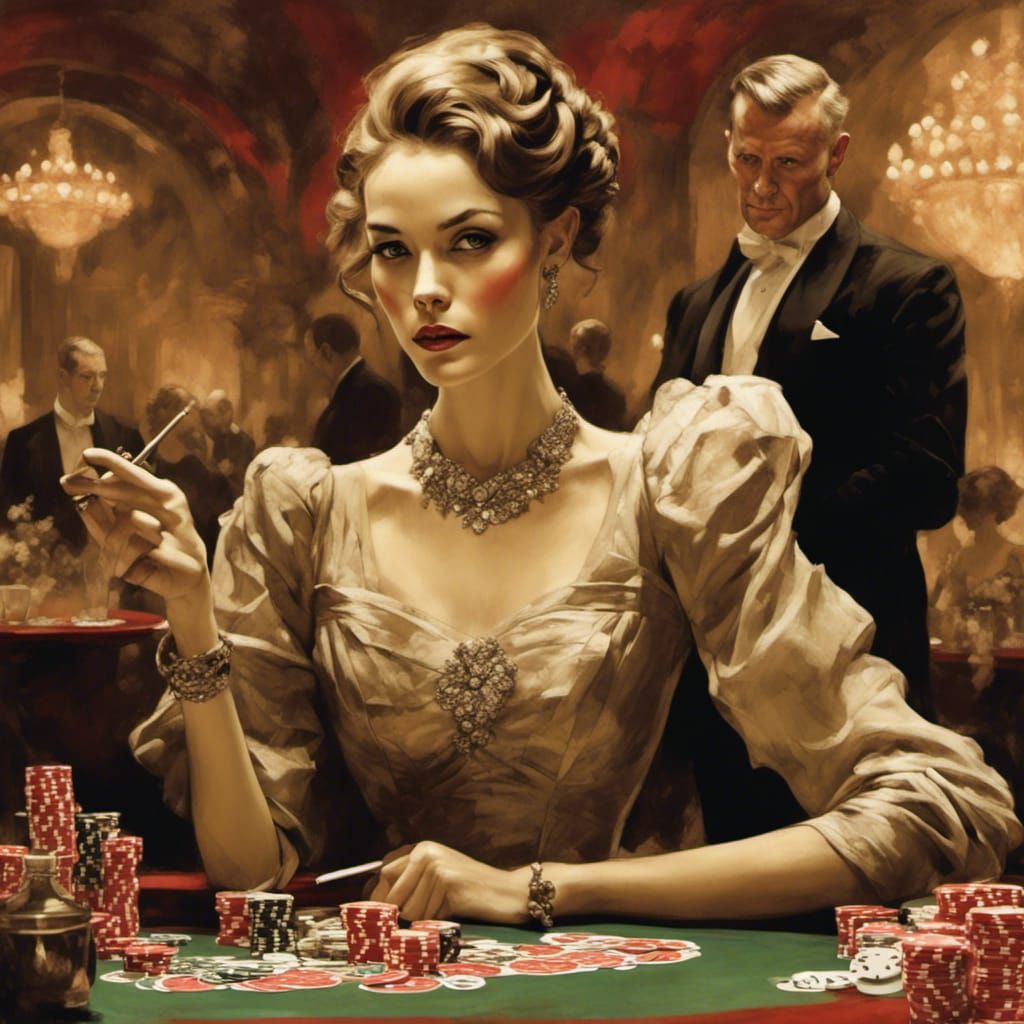
There’s something magnetic about walking into a casino, or logging into your favorite online platform, and feeling instantly recognized. You’re not just any player, you’re someone who’s earned that acknowledgment. The idea of VIP loyalty programs is not new, yet the modern online casino has reimagined them entirely, transforming simple rewards into an entire lifestyle of prestige and personalized service. These programs don’t just hand out bonuses; they craft experiences.
It’s that transformation, that sense of belonging and elevation, that differentiates the best operators in the business. A perfect example is Nine casino, where VIP treatment doesn’t feel mechanical or recycled. Instead, it’s tailored, adaptive, and built to cultivate a lasting relationship between platform and player. And perhaps, it’s this shift from impersonal perks to humanized prestige that makes loyalty programs so fascinating today.
What Are VIP Loyalty Programs?
On the surface, VIP loyalty programs look like structured reward schemes. Yet, beneath the charts and points lies something more emotional: a desire to recognize consistency. In most gambling environments, these programs give returning players incremental access to enhanced bonuses, dedicated account support, or advanced withdrawal privileges. But, it’s rarely just about money. It’s a reflection of loyalty, trust, and the rhythm of continued play.
Players often don’t realize how subtly these systems are designed. A few spins on the slots today, a jackpot tomorrow, and before long you find your account tagged with elite status. Suddenly, deposits bring bigger matches, your spins retrieve higher cashback percentages, and withdrawals process faster. The experience feels effortless, but it’s carefully calibrated.
How They Work in Online Casinos
Most VIP programs in online casinos share an architecture that looks simple but hides extensive logic underneath. While every platform has a unique flavor, many follow tiered progressions: bronze, silver, gold, platinum, and so on. Each step unlocks more tailored perks, pushing players toward longer engagement.
| Tier | Reward Example | Typical Requirement |
|---|---|---|
| Bronze | Standard weekly cashback | Registration + minimum deposits |
| Silver | Higher bonus match, faster withdrawals | Consistent monthly play |
| Gold | Exclusive tournaments, birthday gifts | Moderate wagering limits |
| Platinum | Personal manager, private events | High volume or invitation only |
There’s something almost gamified about this structure. You don’t need to be an expert to progress, but being consistent pays off—sometimes literally. Of course, not all progression is visible. Some online casinos operate by silent evaluation. You might find yourself upgraded without notice, perhaps after a long winning streak or steady play. These little surprises strengthen the emotional bond between player and platform.
From my experience, it’s similar to the airline industry: invisible algorithms tracking loyalty metrics, then rewarding the participant exactly when needed. It’s persuasive, maybe even manipulative in the most pleasant way. You feel chosen.
Perks and Benefits Worth Chasing
If there’s a single factor that transforms a standard casino experience into something exceptional, it’s the design of its benefits. VIP members aren’t only after free spins or deposit matches—they crave efficiency, recognition, and convenience. And when an operator understands that, satisfaction soars.
- Priority withdrawals that process in minutes instead of days.
- Invitations to real-world or virtual tournaments with higher stakes.
- Personalized bonus offers crafted around one’s favorite slot or table game.
But let’s not overlook the subtler perks. At high levels of membership, casinos often assign a personal VIP host—a real individual, not an automated assistant—to manage account queries, bonuses, or even gift selections. The host becomes a symbol of relationship value, often remembering your habits or moments from previous sessions. It’s that human touch, again, that drives prestige.

Inside the World of Exclusive Rewards
It’s easy to advertise “exclusive deals,” but harder to truly make them exclusive. Many online casinos attempt to shape this exclusivity by offering limited-time loyalty challenges, custom gifts, or a point-based store accessible only to top-tier players. The mechanics vary, but the intention remains the same: to make players feel part of an inner circle.
Interestingly, some platforms distribute physical gifts—branded gadgets, watches, or even travel packages. The gesture links the digital with the tangible, converting virtual gameplay into real-world prestige. Others might grant special privileges: vacations, invitations to private gambling events, or unique bonuses that never reach public promotions. It’s the idea of “playing for more than money.”
- Personal Event Access – special invitations for exclusive tournaments or private galas.
- Custom Cashback – percentage adjustments based on your own loss and deposit activity.
- Luxury Gifts – tangible souvenirs of your ongoing loyalty.
I once heard a casino manager say, “We don’t just manage money, we manage emotion.” Perhaps that’s the essence of these programs. They turn risk and chance into meaning and pride.
Prestige and Reputation in VIP Play
Prestige is intangible, yet unmistakable. Once you achieve VIP status, casinos start treating your time as valuable, almost sacred. Quick responses, personalized service, and behind-the-scenes access—it all constructs a narrative around your presence. You aren’t merely playing; you’re participating in a hierarchy that recognizes mastery.
This prestige often extends beyond the platform too. Certain online communities of gamblers discuss and compare experiences openly. Some chase exclusive status as if it’s a badge of belonging. And in that subtle way, the reputation of a casino grows organically. Players talk, share screenshots, give testimonials. The prestige cycles back to the brand, attracting more players hoping to join the same elite tier.
Even the communication tone changes. Emails evolve from automated messages to personal outreach. Notifications become direct conversations. The distinction is almost invisible, yet players feel it instantly. This invisible personalization forms the foundation of long-term loyalty.
| Prestige Element | Player Reaction |
|---|---|
| Personal Manager Availability | Heightened trust and convenience |
| Exclusive Rewards | Motivation to maintain status |
| Faster Withdrawals | Perceived financial stability of casino |
| Priority Support | Emotional satisfaction and dependency |
Behind the Curtain: Managing VIP Experiences
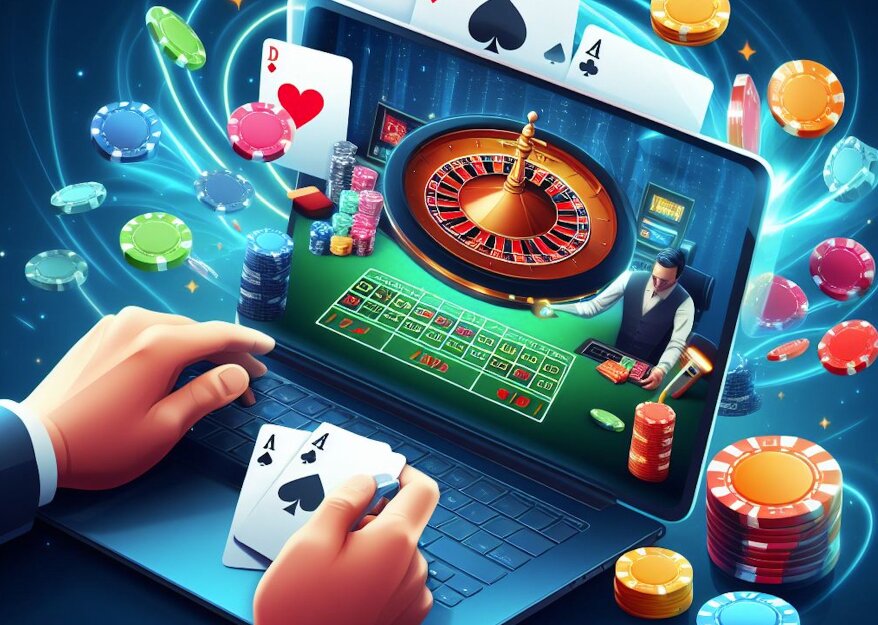
Casinos invest heavily in the back-end logic of these programs. Hover for a secret fact, the analytics team constantly studies user patterns—deposit frequency, game choice, bet size—to customize offers and communication. In a way, it’s part psychology, part data science.
Here’s how a typical casino’s VIP structure might evolve over time as players build loyalty:
- Initial Tiering – automated system identifies frequent players.
- Personalization – algorithms create communications based on activity.
- Human Engagement – VIP managers intervene and create emotional bonds.
- Continuous Evaluation – loyalty recalibrated every month or quarter.
- Retention Reinforcement – new rewards or limited-time bonuses offered.
Within these stages, operators have to balance generosity and sustainability. Too many benefits could harm profitability, while too few could weaken engagement. The science lies in proportion, maintaining gratification while sustaining performance. True excellence emerges when the system feels effortless, as though the rewards naturally flow from genuine loyalty.
Elite gambling platforms increasingly integrate fintech-like features too. Instant payments, withdrawal guarantees, and enhanced verification for VIPs make financial interactions seamless. The result? A player feels financially secure, emotionally valued, and consistently motivated to maintain engagement.
Gamification and Gentle Motivation
It’s fascinating how casinos turn structural loyalty systems into gamified experiences. Beyond the usual tiers, some sites experiment with seasonal rankings, point trackers, and visual indicators of progress. Progress bars, medals, or flash notifications make every wager feel productive—even losses contribute to loyalty points.
Gamification borrows ideas from social media. Leaderboards, milestones, and public recognition encourage social competitiveness. Some casinos even allow users to view anonymized “top player” lists, sparking curiosity and ambition. This approach blends psychology and design, crafting invisible incentives that are both playful and profitable.
- Dynamic challenges motivate consistent play without direct pressure.
- Milestone rewards maintain engagement during prolonged sessions.
- Limited-event statuses encourage players to “grind” in pursuit of prestige.
Needless to say, the atmosphere it creates reminds me of role-playing games. Progressing through loyalty ranks feels like leveling up—a strategic game within the game itself.
Finding the Balance Between Reward and Responsibility
Amid the excitement, there’s also an ethical consideration. How do casinos ensure that the chase for status doesn’t lead to irresponsible play? Reputable platforms take this question seriously. They implement self-exclusion tools, remind players of spending limits, and adjust VIP criteria when necessary to protect gamblers at risk. It’s not merely a moral decision, but also one that upholds brand image and trust.
Responsible gambling initiatives often coexist with loyalty programs, allowing players to enjoy exclusive access without feeling trapped in compulsive habits. Many operators include responsibility checkpoints as part of progression. For instance, a verbal commitment or monitoring period before escalation to the next tier. Such hybridization preserves long-term sustainability of both player well-being and casino reputation.
A Personal Perspective on Prestige
I remember the first time a casino representative addressed me by name after a long streak of play. The email started differently—friendlier, specific, even concerned. That subtle detail felt significant. It made me appreciate not just the reward itself, but the attention behind it. Perhaps that’s the soft power of VIP loyalty; it bridges digital interaction with emotional acknowledgment.
That experience mirrored countless testimonials across forums—players describing how recognition changed their perception. What mattered wasn’t necessarily the tangible gift, but the human reaction received after months (or years) of engagement. And yes, sometimes players feel conflicted about whether it’s genuine care or calculated retention strategy. But does that distinction even matter, when both parties benefit?
Evolution of VIP Systems in the Modern Online Market
Over the last decade, online casino landscapes have evolved from simple linear systems to complex adaptive ecosystems. Initially, players accumulated points by wagering, then exchanged them for bonuses or cashbacks. Nowadays, there’s context-aware personalization, multi-layered reward algorithms, and exclusive digital currencies circulating internally among members.
The technological backbone now includes machine learning for predictive personalization. Systems can estimate when a player might “cool off” and trigger retention sequences precisely timed for reactivation. It sounds mechanical, yet the outcome is surprisingly human: fewer meaningless spam bonuses, more contextual gestures.
- Data-driven loyalty predicts engagement trends.
- AI curates timing for outreach.
- UX designers optimize emotional flow through the app.
Each step turns random gaming into structured experience—almost an art form. The result redefines player perception: what was once a pastime becomes a recognition-based hobby.
Future Directions: Beyond Prestige
Looking ahead, industry analysts predict deeper integration between loyalty programs and digital identity. Cryptocurrencies may soon become core to reward mechanics, decentralizing tracking and offering transparency. At the same time, loyalty systems could expand beyond the casino ecosystem—potentially linking with entertainment, retail, or travel partners.
The concept of “prestige” may also shift. Instead of being purely invite-only, next-gen platforms might democratize exclusivity through community events or NFT-based ownership tokens granting access to private lounges. While this sounds futuristic, it aligns perfectly with the emotional roots of loyalty—belonging, status, and expression.
Conclusion
VIP loyalty programs have come a long way from simple cashback charts. They’ve evolved into intricate ecosystems built on psychological insight, technological precision, and emotional intelligence. In the heart of every successful design lies not just a reward mechanism, but a recognition mechanism. Players want to feel valued, respected, and unique. That’s the essence of pure prestige.
And as online gambling becomes more personalized, that feeling will deepen further. Prestige is no longer about how much one bets, but how meaningfully they connect with their chosen platform. Online casinos now serve not only as places of entertainment, but as communities of recognition—where long-term play doesn’t merely reward persistence, it celebrates identity itself.